
A Cleanup Process in Palmerton, Pennsylvania
Background and Challenge
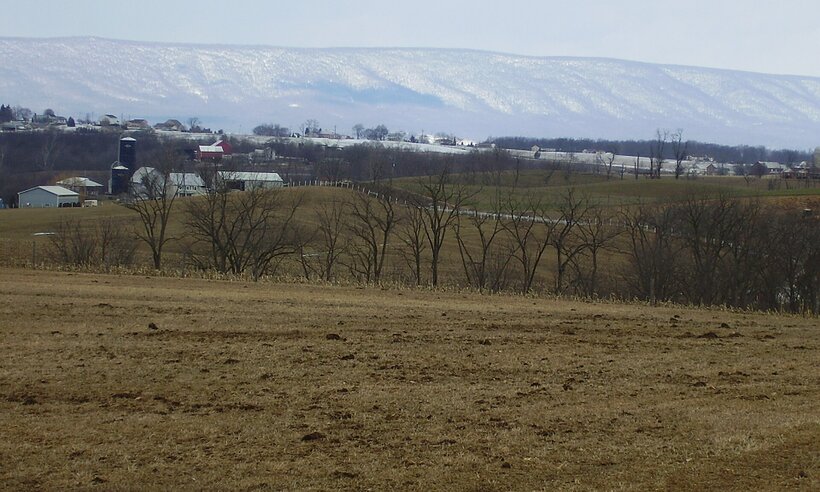
Starting in 1898, a century-long zinc-smelting operation caused environmental degradation in the town of Palmerton, Pennsylvania, and surrounding areas. In 1983, the Zinc Pile Site was added to the Superfund National Priority List, and throughout the 1990s, the Environmental Protection Agency (EPA) oversaw a remediation effort to revegetate portions of Palmerton’s Blue Mountain. This process used Ecoloam, a soil conditioner containing sewage sludge; in May 2024, levels of per- and polyfluoroalkyl substances (PFAS) were found to exceed the federal Maximum Contaminant Level of 4 parts per trillion in the Palmerton Water Company’s municipal production wells. EPA testing in 2025 found that earlier operations using Ecoloam likely contributed to groundwater contamination. In response, EPA initiated the development of a time-sensitive remediation plan, positioning the community as a partner throughout the process.
Our Approach
Starting in December 2025, CBI assisted EPA in conducting a communications assessment to get a clear picture of the community’s awareness, interests, and concerns surrounding PFAS contamination. Stakeholder interviews, on-the-ground engagement, and firsthand site visits laid the groundwork for a public meeting where community members dove into wide-ranging conversations about different facets of the cleanup process.
In January 2026, CBI facilitated a community forum between the EPA, affected citizens of Palmerton, their neighbors, and a range of state and federal agencies. The session was meant to engage the public as a partner in the process, provide updates on the Superfund site, share EPA’s plans to reduce PFAS levels in drinking water, and address questions about contamination and health concerns. Following presentations on the history of the Superfund site, information on drinking water remediation, and basics of PFAS and public health, the event was designed as an open forum discussion between members of the public and agency staff. In the final portion of the meeting, community members were invited to engage in informal discussion through five “information stations” focused on different aspects of the site and the cleanup process.
Results
With over 150 members of the public in attendance, the meeting created a direct channel between residents and agency officials to share key information about PFAS contamination, its significant health implications, and ongoing response efforts. The session was also an opportunity to ensure the EPA understood the community’s priorities so its response efforts could better meet local needs. By strengthening communication with residents and generating local input, the meeting was key in informing EPA’s ongoing remediation efforts.